


Market Overview
US equities concluded largely flat, influenced by a mixed start to the third-quarter earnings season from major banks and significant weakness across the semiconductor sector. This downturn was particularly pronounced in South Korea, where the Kospi experienced a steep decline, setting a cautious tone for Asian markets. Ahead of the APAC open, Australian shares are poised to decline, while global attention remains fixed on the impending US consumer price data, a key release for understanding inflation and the Federal Reserve’s policy direction. Commodities saw mixed movements, with oil prices stalling amid geopolitical tensions.
Markets
Major US indices ended near the flatline. The S&P 500 closed marginally lower at 7,805.45, down 0.02% on the day. The Nasdaq Composite saw a slight dip, closing down 0.15% at 27,204.38, and the Dow Jones Industrial Average finished in the red, down 0.35% at 51,670.10.
In Asia, South Korea’s KOSPI experienced a substantial decline, falling 3.65% at 6,384.24, reaching its lowest level since July 31. Australian shares (ASX 200) finished up 0.01% at 8,783.90 in the prior session, but are poised to open lower for the upcoming session, with S&P/ASX 200 futures reported down 0.3 per cent to 8788.
Commodity markets exhibited mixed movements. Brent Crude traded at $106.36, down 0.27%, while WTI Crude posted a gain, trading at $94.79, up 1.12%. Gold traded at $4,184.20, edging lower by 0.15%, and iron ore was reported as stable, trading at $US91.00 a tonne.
In currencies, the Australian Dollar traded largely flat against the US Dollar at $0.6984, down 0.01% on the day. Bitcoin recorded a modest gain, trading at $83,356, up 1.95%.
US Treasury yields were mixed. The benchmark 10-year Treasury yield traded at 5.217%, declining by 2.30 bp, while the 30-year Treasury yield traded at 5.563%, down 3.50 bp. The more rate-sensitive 2-year Treasury yield was flat at 4.789%. The Australia 10-year yield was at 5.29%.
What Drove Markets
Semiconductor Sector Under Pressure
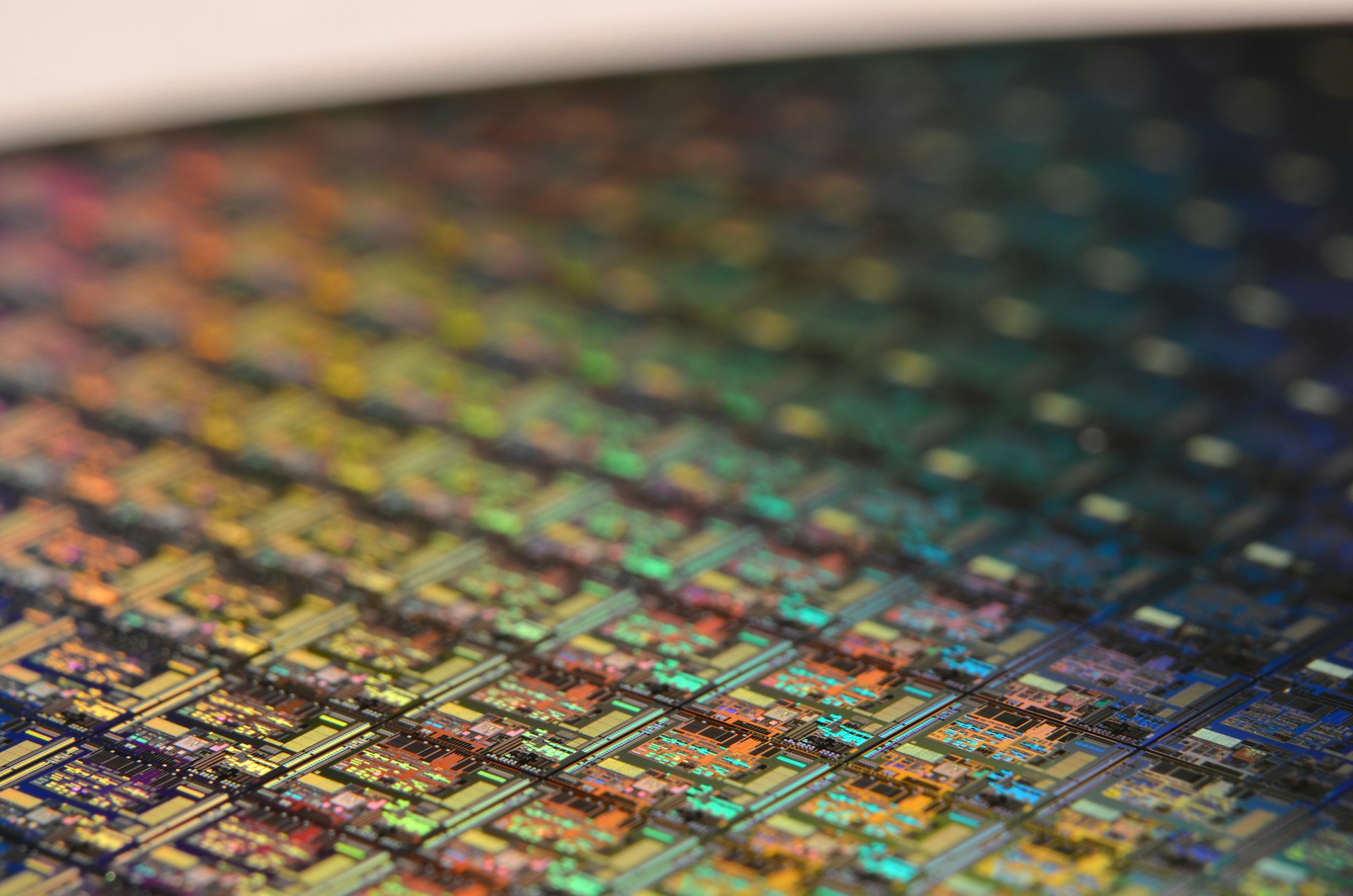
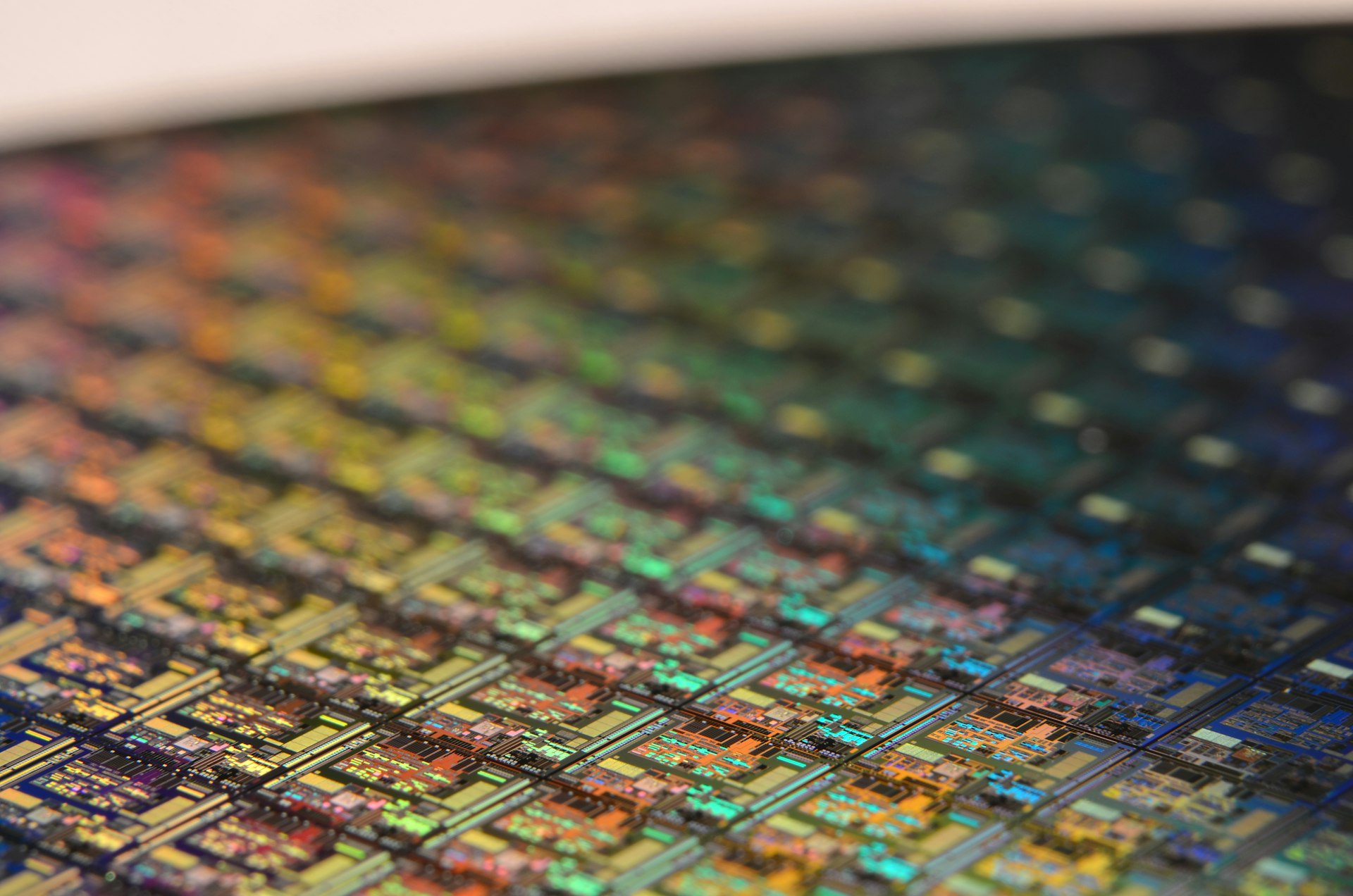
The semiconductor sector emerged as a significant driver for global markets, directly impacting Asian technology stocks. South Korea’s Kospi experienced a steep decline, marking its lowest level since July 31, amidst valuation concerns and intensifying competition from Chinese chipmakers. China’s ChangXin Memory Technologies (CXMT) announced plans to release a new, more powerful chip by year-end, further fueling worries about narrowing gaps in the AI race. This pressure weighed on several prominent memory chip and semiconductor-related stocks, including SK Hynix, which declined 10.09% at 1,443,000.00. US-listed peers such as Micron Technology fell 3.62% to 953.19, Seagate Technology dipped 0.80% to 747.20, Western Digital lost 1.61% to 380.71, Sandisk slipped 0.34% to 1,482.33, Lam Research declined 2.73% to 301.11, and Applied Materials ended down 6.69% at 464.24. Intel CEO, Lip-Bu Tan, highlighted China’s lower “token costs” in AI, while Broadcom CEO, Hock Tan, cautioned investors about unclear AI monetization, suggesting that companies are wasting money on AI tokens and that many investors lack understanding of their AI investments.
Mixed Start to US Earnings Season
The commencement of the Q3 earnings season saw major US banks deliver varied results, which failed to significantly buoy US equities. JPMorgan Chase shares closed down 0.86% at 331.43 after the bank reported a surprise miss on profit estimates, though it raised its full-year 2026 net interest income guidance to approximately $106.2 billion from about $105.5 billion. Goldman Sachs surpassed top- and bottom-line estimates, driven by strong trading and investment banking, but its shares still declined 0.23% to 891.91. Wells Fargo reported a 5% increase in net interest income, with shares closing down 3.12%. Citi’s net income jumped 40% year-over-year to $5.25 billion, with its CEO noting the best quarterly revenue in a decade. Shares of Citi, despite a 40% year-over-year jump in net income, shed 5.6%. Despite these numbers, high market expectations for S&P 500 profits (analysts expecting nearly 30% growth) suggest that “beating estimates is no longer enough,” with investors seeking “earnings quality.” Other Dow components also saw mixed reactions; Johnson & Johnson shares sank 5.73% to 248.61 as sales growth in its medical devices business fell short of management’s expectations, while UnitedHealth shares slipped 0.20% to 377.76 despite raising its profit outlook. Bank of America was notably hit with a $1.7 billion fine over money laundering failures.
Commodity Dynamics and Geopolitical Headwinds
Oil prices exhibited mixed movements, stalling amid ongoing geopolitical tensions in the Middle East and Russia. Earlier in the week, fresh strikes on Saudi infrastructure by Houthi rebels in Yemen had triggered a crude price surge. However, fears over Gulf supply flows were countered by Russia stating its diesel exports might exceed volumes announced under a supply deal with the US. In Australia, Rio Tinto reported robust growth, with Oyu Tolgoi copper production up 29% year-to-date, though its shares declined 2.40% at 161.00. Iron ore prices remained largely stable.
Inflation and Monetary Policy in Focus Ahead of US CPI
With US equities showing little directional conviction, market participants are now keenly awaiting Wednesday’s September consumer price index data. Economists project a 0.6% rise, which would mark the largest advance in five months, offering crucial insight into inflation’s trajectory and the Federal Reserve’s monetary policy outlook. The Fed is widely expected to keep interest rates steady at its upcoming meeting this month.
Stocks to Watch
- SK Hynix (000660.KS): The South Korean memory chip producer saw its shares decline 10.09% to 1,443,000.00 amid valuation concerns and intensified competition from China.
- Micron Technology (MU): A leading US memory chip maker, its shares closed down 3.62% at 953.19, reflecting broader semiconductor sector weakness.
- Applied Materials (AMAT): This semiconductor equipment supplier’s shares fell 6.69% to 464.24, part of a wider slump in chip-related stocks.
- Lam Research (LRCX): Another key semiconductor equipment manufacturer, its shares closed down 2.73% at 301.11.
- Intel (INTC): Its CEO, Lip-Bu Tan, commented on China’s lower costs for AI tokens, while the stock closed up 1.44% at 102.81.
- Broadcom (AVGO): CEO Hock Tan’s comments on unclear AI monetization added to industry discussions, with shares closing up 0.73% at 357.31.
- JPMorgan Chase (JPM): The bank’s shares closed down 0.86% at 331.43 after reporting a surprise profit miss but raising its full-year net interest income guidance.
- Goldman Sachs (GS): Shares closed down 0.23% at 891.91 despite surpassing top- and bottom-line Q3 estimates.
- Johnson & Johnson (JNJ): Shares sank 5.73% to 248.61 after sales growth in its medical devices business missed expectations.
- UnitedHealth (UNH): Its shares slipped 0.20% to 377.76 despite raising its full-year adjusted profit guidance.
- Rio Tinto (RIO.AX): The mining giant reported 29% year-to-date growth in Oyu Tolgoi copper production, with shares declining 2.40% at 161.00.
- Bank of America: The institution was fined $1.7 billion over money laundering failures.
- Bumble: The dating app company is set to delist in a $1.8 billion deal with Sequoia-founded Ithaca Holdings.
- Domino’s: Its US same-store sales increased just 0.3%, missing expectations amid budget-conscious customers.