
Published Fri 16 Oct 2026, 3:00 AM ET

Asia-Pacific markets largely rebounded on Friday, with technology and mining sectors leading the charge, as investor concerns over AI financing risks and chip competition showed signs of easing. This positive sentiment across most of Asia contrasted sharply with persistent worries about hotter-than-expected US inflation data and ongoing geopolitical tensions driving up energy prices. Indonesia’s equity market, however, bucked the regional trend, experiencing a significant one-day rout following a proposed reclassification by MSCI. Ahead of the European open, US equity futures remained relatively unchanged, setting a cautious tone after a mixed close on Wall Street.
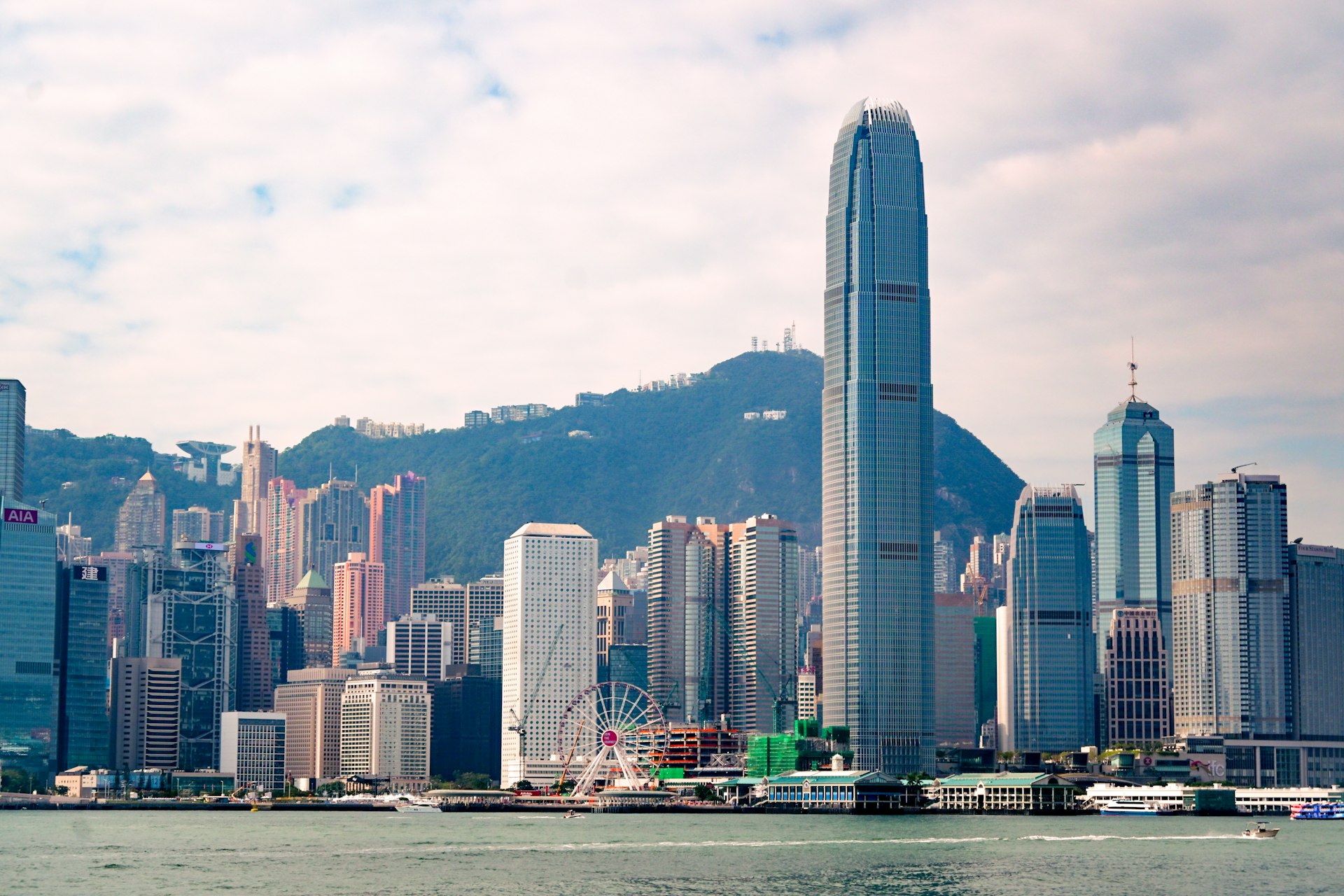
Major Asian indices posted gains on Friday, signaling a broad recovery. South Korea’s KOSPI (^KS11) climbed 2.05% to 5,668.05, recovering from Thursday’s nearly 8% plunge that triggered a circuit breaker. Japan’s Nikkei 225 (^N225) advanced 1.39% to 65,324.29, while Australia’s S&P/ASX 200 (^AXJO) rose 1.00% to 8,806.70. The index had been reported by AFR to have risen 77.1 points, or 0.88%, to 8796.8 as at 1.59pm AEDT. Mainland China’s Shanghai Composite (000001.SS) also added 0.24% to 3,716.28. Hong Kong’s Hang Seng Index was reported by CNBC to have risen 1.21% during Friday’s session, participating in the broader Asian rebound.
In stark contrast, Indonesia’s Jakarta Composite plunged more than 11% during Friday’s session, according to Investing.com, marking its steepest one-day decline since January 1998.
In the US session on Thursday, the Dow Jones Industrial Average (^DJI) gained 1.08% to 52,177.69, leading the three major US averages. The S&P 500 (^GSPC) posted a more modest gain of 0.33% to 7,744.06. However, the technology-heavy Nasdaq Composite (^IXIC) lagged, edging up only 0.08% to 26,713.03, reflecting ongoing weakness in AI stocks. This week, the S&P 500 ended down 0.27% and the Nasdaq Composite fell 1.77% week-to-date, while the Dow Jones Industrial Average rose 1.85% for the week.
Early Friday, US equity futures were largely flat. S&P 500 futures traded 0.16% higher, according to CNBC and Investing.com, while CNBC also noted they were relatively unchanged. Nasdaq-100 futures gained 0.14% according to CNBC, while futures linked to the Dow Jones Industrial Average gained 81 points, also according to CNBC.
Crude oil prices softened on Friday, with Brent Crude (BZ=F) falling 3.22% to $102.51 and WTI Crude (CL=F) down 2.60% to $95.42. Meanwhile, US Treasury yields eased slightly from recent highs. The 10-Year Treasury (^TNX) yield fell 10.10 basis points to 5.089% on Thursday, and the 30-Year Treasury (^TYX) yield declined 9.60 basis points to 5.429%. The US Dollar Index (DX-Y.NYB) edged down 0.21% to 101.79.
A rebound in technology and mining stocks primarily drove the broad recovery in APAC markets. Earlier “AI jitters,” stemming from credit risk concerns around cloud provider CoreWeave and intensifying competition from China in memory chips, showed signs of abatement. Nvidia chief Jensen Huang’s comments that CoreWeave was “improving every day” helped soothe some of these concerns. Despite this, broader worries about debt financing for the AI boom and the sustainability of chipmaker gains persist. Anthropic also informed investors that its third-quarter revenue stood at $16.8 billion, as reported by CNBC. Jeff Richards of Notable Capital noted that “one of the real challenges we’ve had in AI and technology overall for the last six to 12 months is that so much of what’s happening is happening in private markets,” suggesting that more public information from private AI-linked companies could help assuage investor concerns in 2027.
In Australia, mining heavyweights BHP (BHP.AX) rose 3.2% and Rio Tinto (RIO.AX) gained 1.4%, leading the materials sector rebound. These companies are often seen as a proxy for AI due to their copper exposure, and their gains reversed heavy sell-offs from the previous session, AFR reported. Technology stocks on the ASX gained 4.9%, with several firms rallying, according to AFR. In contrast, consumer staples led losses on the ASX, with Woolworths (WOW.AX) down around 1.4%, and Coles also declined by around 1.4%, according to AFR.
Meanwhile, persistent US inflation remains a significant concern. US producer prices rose at the fastest pace in over four years in September, advancing 1.3% from a month earlier — the most since March 2022 — and 6.3% from a year earlier, according to the Bureau of Labour Statistics reported by AFR. US consumer inflation also remained well above the Federal Reserve’s 2% target, as noted by CNBC and Investing.com. While markets initially increased bets on further monetary tightening, they later pared expectations for an October rate hike, shifting focus to December. Chicago Fed President Austan Goolsbee commented that some inflationary pressures might prove temporary, but persistent demand, including investment in AI data centres, could warrant a stronger policy response, according to Investing.com. Fed Chair Kevin Warsh also noted that AI investment is a benefit to the US economy and expressed surprise at global resilience. While optimistic about AI, Warsh cautioned that its early jobs impact remains uncertain, according to AFR.
The dramatic fall in Indonesia’s Jakarta Composite was triggered by MSCI’s proposal to reclassify the country from emerging-market to standalone-market status. MSCI cited ongoing concerns over market transparency and functioning, including opaque shareholding structures and suspected coordinated trading, according to Investing.com. MSCI had frozen additions of Indonesian securities to its indexes in January and will seek feedback until April 2027, with a final decision due by the end of June next year, Investing.com reported. This proposal carries significant implications for foreign investment, especially as Indonesia’s benchmark index was already the world’s worst-performing this year, down more than 30%, with foreign investors recording net equity sales of $4.7 billion, Investing.com reported.
Geopolitical risks continue to underpin elevated energy prices. The ongoing US-Iran war and escalating Saudi-Houthi tensions, alongside attacks on regional shipping, keep oil-supply risks high, contributing to inflationary pressures globally. Additionally, the European Union is preparing new trade powers targeting China, which could introduce further uncertainty for Asian exporters and regional equities, Investing.com reported. AMP remains optimistic on equities for the next 12 months, according to AFR.
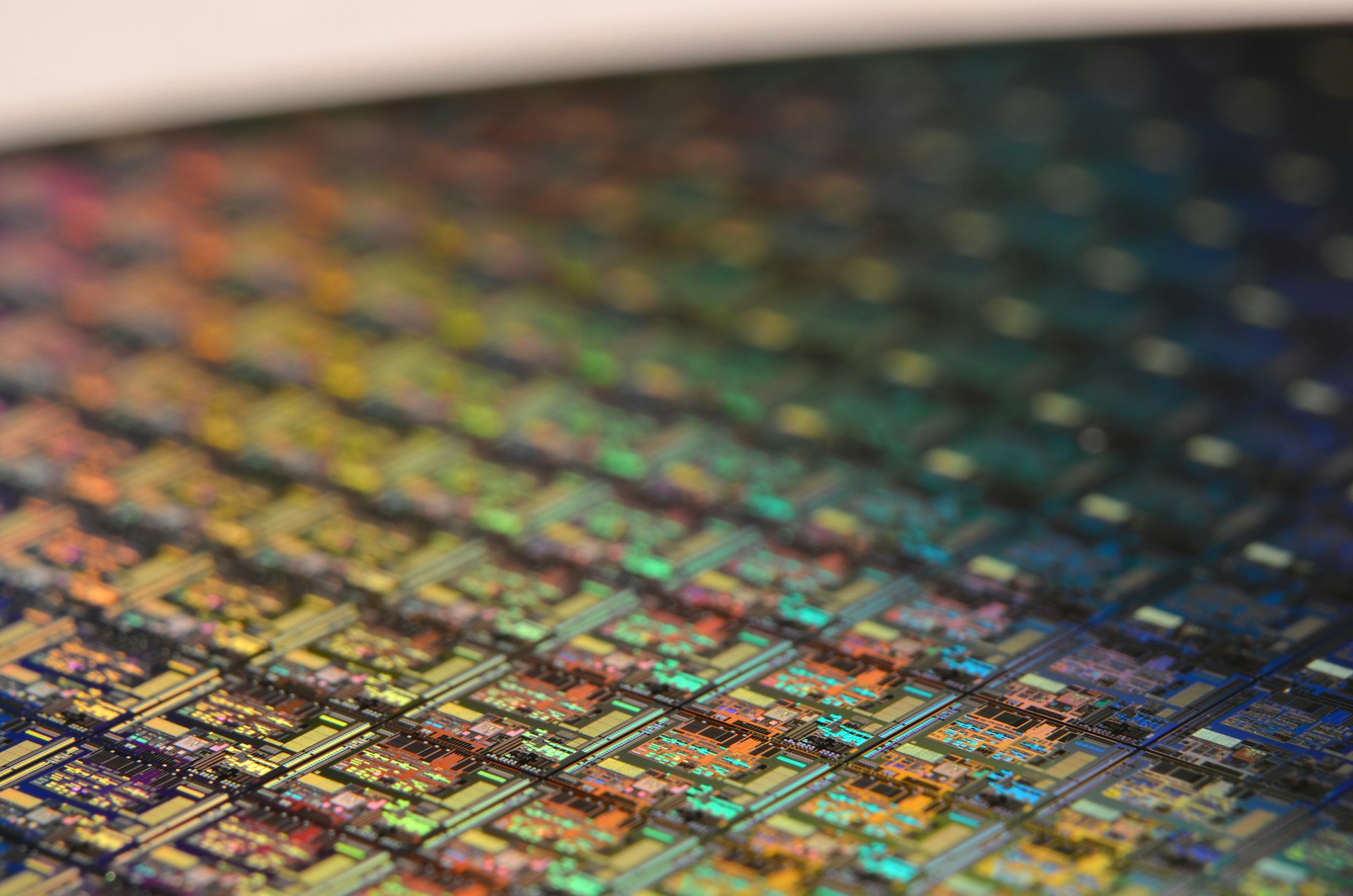
Several key technology and mining companies saw significant movements. South Korean memory-chip maker Samsung Electronics (005930.KS) recovered ground, advancing 2.62%, and SK Hynix (000660.KS) gained 0.79%, leading the Asian chipmaker rebound. Japanese technology conglomerate Sony (6758.T) also rose 1.93%. Despite these gains, Taiwan’s chip manufacturing giant Taiwan Semiconductor Manufacturing Co. (2330.TW) edged down 0.82%, according to the Market Data Pack. Investing.com reported that the chipmaker issued an upbeat revenue outlook despite record quarterly profits, indicating lingering caution in the chip sector.
In the US, cloud-computing company CoreWeave (CRWV) recovered 5.94% on Thursday after earlier credit risk concerns, including reports of its bond yields reaching distressed-debt levels, though its shares are heading for a 15% decline on the week, according to CNBC. However, NVIDIA (NVDA) shares declined 1.84% on Thursday, reflecting ongoing AI jitters, and the company is pacing for a 9.20% weekly loss. Memory chip maker Micron Technology (MU) gained 1.87% on Thursday but is on pace for a decline of more than 9% on the week, according to CNBC. Data storage companies Seagate Technology (STX) and Western Digital (WDC) also finished Thursday lower, by 3.19% and 2.10% respectively, and are pacing for weekly losses of 14.25% and 13.28% respectively.