

Market Overview
Asian markets broadly declined on Thursday, driven by a significant sell-off in technology and artificial intelligence (AI) related stocks as investors increasingly questioned the returns on substantial AI investments. Adding to the cautious sentiment, Chinese equities neared a technical bear market amid fading hopes for government stimulus and weak corporate earnings. Geopolitical tensions in the Middle East contributed to a surge in Brent crude prices above $110 a barrel, exacerbating inflation fears and weighing on import-reliant economies. Australia’s sharemarket also finished lower, hit by a profit warning from a major furniture retailer that rattled the broader discretionary retail sector, alongside weakness in energy and mining stocks. As European markets opened, US equity futures pointed to a weaker start, contrasting with Wall Street’s positive close in the previous session.
Markets
Australia’s S&P/ASX 200 (^AXJO) closed down 0.43% at 8,793.20 on Thursday. Japan’s Nikkei 225 (^N225) slid 2.65% to finish at 62,907.84, while South Korea’s KOSPI Composite Index (^KS11) led the region’s decline, closing down 3.52% at 5,533.77. Mainland China’s Shanghai Composite (000001.SS) fell 1.23% to 3,667.34.
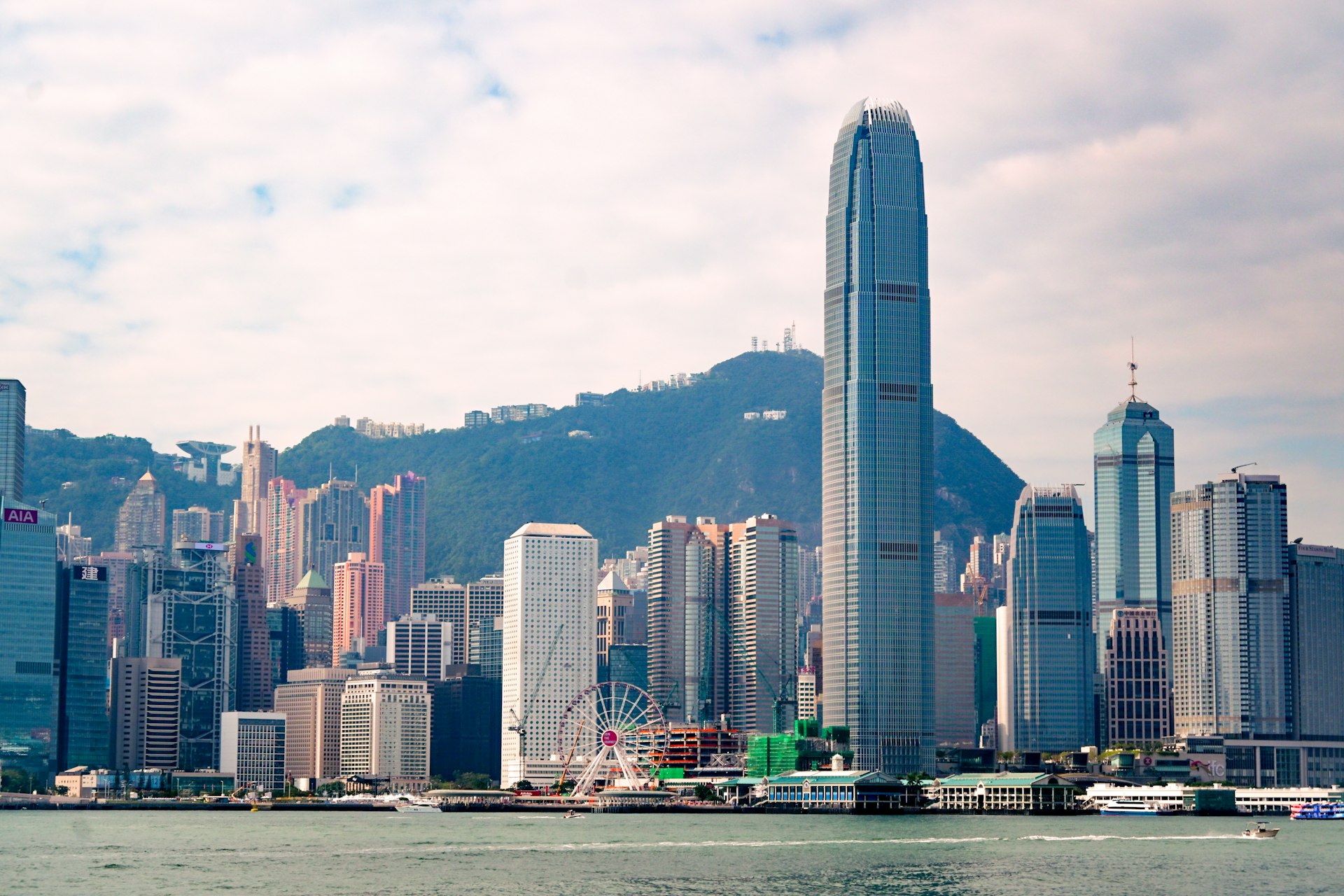
In actively trading markets, Hong Kong’s Hang Seng Index (^HSI) was down 3.06% at 22,928.68 as of approximately 2:55 pm Hong Kong time. Singapore’s Straits Times Index (^STI) was also lower, trading down 0.40% at 5,416.36 as of approximately 2:55 pm Singapore time.
In commodity markets, Brent crude (BZ=F) was at 111.30, up 2.28%, after climbing above $110 a barrel. The Australian Dollar (AUDUSD=X) gained 0.14% to 0.7017, reaching a three-week high on expectations of a Reserve Bank of Australia rate hike. The US 10-Year Treasury Yield (^TNX), reflecting the previous US session on Wednesday, rose 2.90 bp to 5.146%.
What Drove Markets
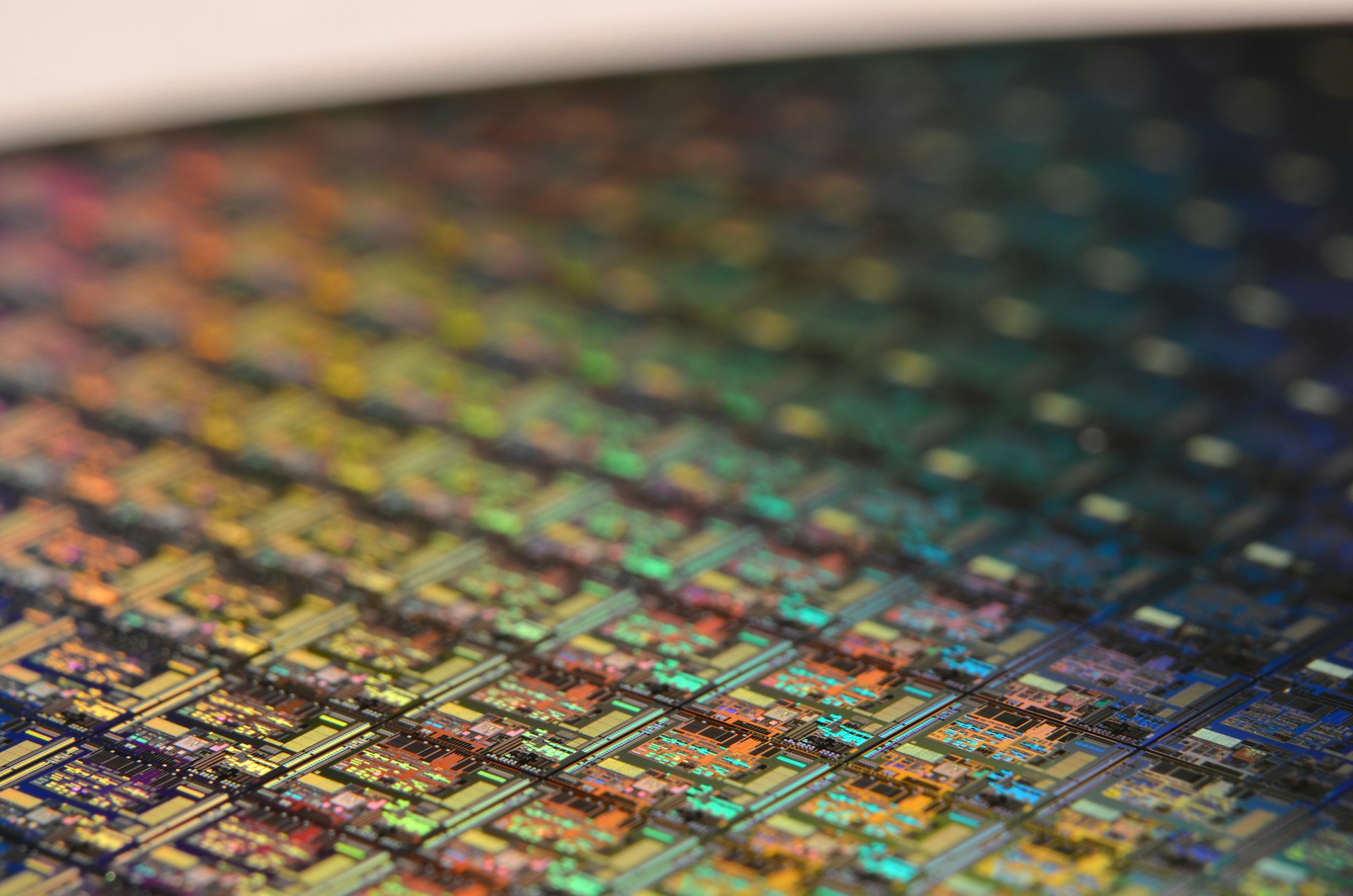
Global AI/Semiconductor Jitters: Investor doubts about the immediate returns on significant AI infrastructure investments intensified across Asian markets, triggering a broad sell-off across semiconductor and technology stocks. This trend follows mixed earnings reports from major US tech firms and broader concerns about a potential “AI bubble.” The sentiment is expected to influence European trading, particularly in tech-exposed sectors. US equity futures slid early Thursday, with Nasdaq-100 futures dropping 1.32%, S&P 500 futures falling 0.66%, and Dow Jones Industrial Average futures ticking down 0.28%, or 147 points, ahead of the US market open.
China Economic and Market Weakness: Mainland Chinese equities continued their decline amid fading hopes for substantial government stimulus, lacklustre corporate earnings, and spillover anxiety from the global AI trade. The CSI 300 index fell as much as 1.6% during Thursday’s session, taking its losses from a June peak to around 20% and bringing it to the brink of a technical bear market.
Inflationary Pressures from Soaring Oil Prices: Brent crude climbed 2.28% to above $110 a barrel after deadly attacks in Saudi Arabia heightened supply concerns. Persistent risks to shipping around the Strait of Hormuz further contributed to the surge, immediately reigniting inflation fears that will be a key consideration for European investors.
Australian Domestic Retail Headwinds: A profit warning from Australian furniture retailer Nick Scali highlighted challenging market conditions and a downturn in the housing sector, which is discouraging consumer spending. Richard Coppleson, Bell Potter’s director of institutional sales and trading, noted that Nick Scali’s profit warning was a highlight, leading to the stock being smashed to a three-year low and dragging down most other retailers.
South Korea Monetary Policy: South Korea’s central bank left borrowing costs unchanged after two successive rate increases, as policymakers weigh inflationary pressures stemming from the semiconductor-driven economic upswing.
Stocks to Watch
In Australia, furniture retailer Nick Scali saw its shares nosedive 15% to $12.03, reaching its lowest level in three years, after warning that its net profit for the December half would fall sharply. This news impacted other discretionary retailers, with Temple & Webster falling 9% to $4.07, JB Hi-Fi (JBH.AX) down 1.7% to $71.67, and Harvey Norman (HVN.AX) off 2.9% to $4.04. Among mining stocks, BHP Group (BHP.AX) declined 2.41% to 57.13 and Rio Tinto Group (RIO.AX) dropped 1.47% to 150.30, as the price of copper fell almost 1% to $US14,260 a tonne on the London Metal Exchange. Energy companies also lost ground, with Santos (STO.AX) falling 1.3% to $9.19 after reining in its expected production range, and Woodside Energy Group (WDS.AX) losing 3.50% to 32.77 despite higher oil prices. Viva Energy (VEA.AX) was off 4.9% to $2.89.
In the US, Tesla (TSLA) reported better-than-expected top and bottom lines for its third-quarter results. However, its shares were last off 3% in extended trading on Wednesday following a cut to its capital-spending forecast, as reported by CNBC and Investing.com. Semiconductor equipment maker Lam Research (LRCX) also fell 7.4% in after-hours trade after issuing a weaker-than-expected earnings forecast. Conversely, Meta (META) gained in extended trading on Wednesday after delivering a revenue beat, strong guidance, and raising its AI spending outlook.
Asian technology and chipmaking stocks were hit hard. South Korean chipmakers SK Hynix (000660.KS) plunged 5.49% to 1,223,000.00 and Samsung Electronics (005930.KS) fell 4.03% to 214,500.00. In Japan, Tokyo Electron (8035.T) recorded notable losses, down 6.99% to 9,450.00, and SoftBank Group (9984.T) declined 6.86% to 4,305.00. Among Chinese e-commerce companies, Alibaba (BABA) shares fell 5.5% after the government called for stronger quality control. JD.com (JD) lost 4.2%, Meituan (3690.HK) declined 3.9%, and Tencent (0700.HK) dropped 3%. MiniMax lost 6.8% and Z.AI dropped 8.9%. ChangXin Memory Technologies declined 4.1%. South Korean neocloud provider Elice Group rose for a second consecutive session, climbing as much as 25% to 99,900 won in Seoul, moving above its 90,500-won IPO price for the first time since listing. Elice shares had closed 30% higher on Wednesday after plunging around 32% during Tuesday’s debut.