


Market Overview
US equity markets ended the September quarter largely lower, as a late selling wave reversed earlier gains on Wall Street. This occurred despite softer-than-expected inflation data, with pressure from surging US Treasury yields contributing to the sell-off. The benchmark 30-year Treasury yield climbed to its highest level since 2002, with bond yields surging amid concerns about growth and fiscal sustainability. While bets on a near-term Federal Reserve rate hike for October eased, expectations for further tightening by mid-next year remain firm. For APAC investors, Australian shares are poised for a lower open, with the Australian dollar hitting an eight-week low. A notable bright spot was the strong performance of memory chipmakers, fuelled by the artificial intelligence (AI) build-out, underscored by Micron Technology’s robust sales forecast. Geopolitical developments surrounding crude oil supply risks also kept energy prices in focus.
Markets
On Wall Street, the S&P 500 closed at 7,651.54, down 0.25%, reversing earlier gains. The Dow Jones Industrial Average shed 0.86% to finish at 50,906.05, reflecting the broader market pressure. In contrast, the Nasdaq Composite managed a modest gain, closing up 0.24% at 26,861.06, supported by tech stocks.
The US bond market continued its significant sell-off. The benchmark 10-year Treasury yield climbed 3.80 basis points to stand at 5.293%, hovering at its highest level since April 2002, while the 30-year Treasury yield rose 4.40 basis points to 5.638%, reaching its highest level since June 2002. The yield on the Australian 10-year note was 5.35%.
In the commodity markets, crude oil prices were mixed. Brent crude closed down 4.60% at $97.87, while WTI crude ended the day up 1.02% at $90.29. Gold prices moved 0.26% higher to close at 4,190.60. Iron ore was down 0.4% to $US93.35 a tonne.
Currency markets saw the Australian dollar trade lower against the greenback, falling 0.99% to 0.6947. This marked its lowest level since July 2026. The Dollar Yen, meanwhile, traded marginally higher by 0.03% to 157.4040.
Looking to the APAC session, ASX 200 futures indicate a lower open for Australian shares, tracking down 52 points or 0.6% to 8761. In its last session, the ASX 200 closed at 8,709.30, up 0.34%.
For the month of September, the S&P 500 recorded a marginal loss of 0.4%, while the Dow fell 4.3%. The Nasdaq Composite, however, gained 1.9%. In the third quarter, the S&P 500 advanced 2%, Nasdaq gained 2.5%, and the Dow lost 2.7%.
What Drove Markets
Bond Market Sell-off and Rate Expectations: The surge in US Treasury yields to multi-decade highs was a dominant theme, with elevated yields reflecting a combination of factors including inflationary concerns, hawkish Federal Reserve signals, and worries over fiscal debt. This occurred despite August’s personal consumption expenditures (PCE) price index showing a cooler annual increase of 3.4%, down from 3.7% the month prior. Core PCE, excluding food and energy, also eased to a 3% year-on-year rise from 3.3%. Initially, this softer inflation data led to a reduction in bets for an October Fed rate hike, with the probability tumbling to 34.9% from over 50% the previous day. However, strong economic indicators offset some of this relief, including US consumer spending rising in August at its fastest pace in over a year, an upward revision to US Q2 real gross domestic product (GDP) growth to 2.2% from 1.5%, and robust private sector job additions of 90,000 in September, as reported by ADP, exceeding the 68,000 consensus estimate. Traders are still expecting another Fed hike in December. Rob Haworth of U.S. Bank Asset Management Group stated that there are still 75% odds of three hikes by the time we get to the middle of next year. Thomas Matthews, head of markets Asia/Pacific at Capital Economics, suggested that cash is the most reliable hedge against the bond sell-off. He also noted that Japanese bonds have been another source of relative strength lately, especially when measured in common currency.
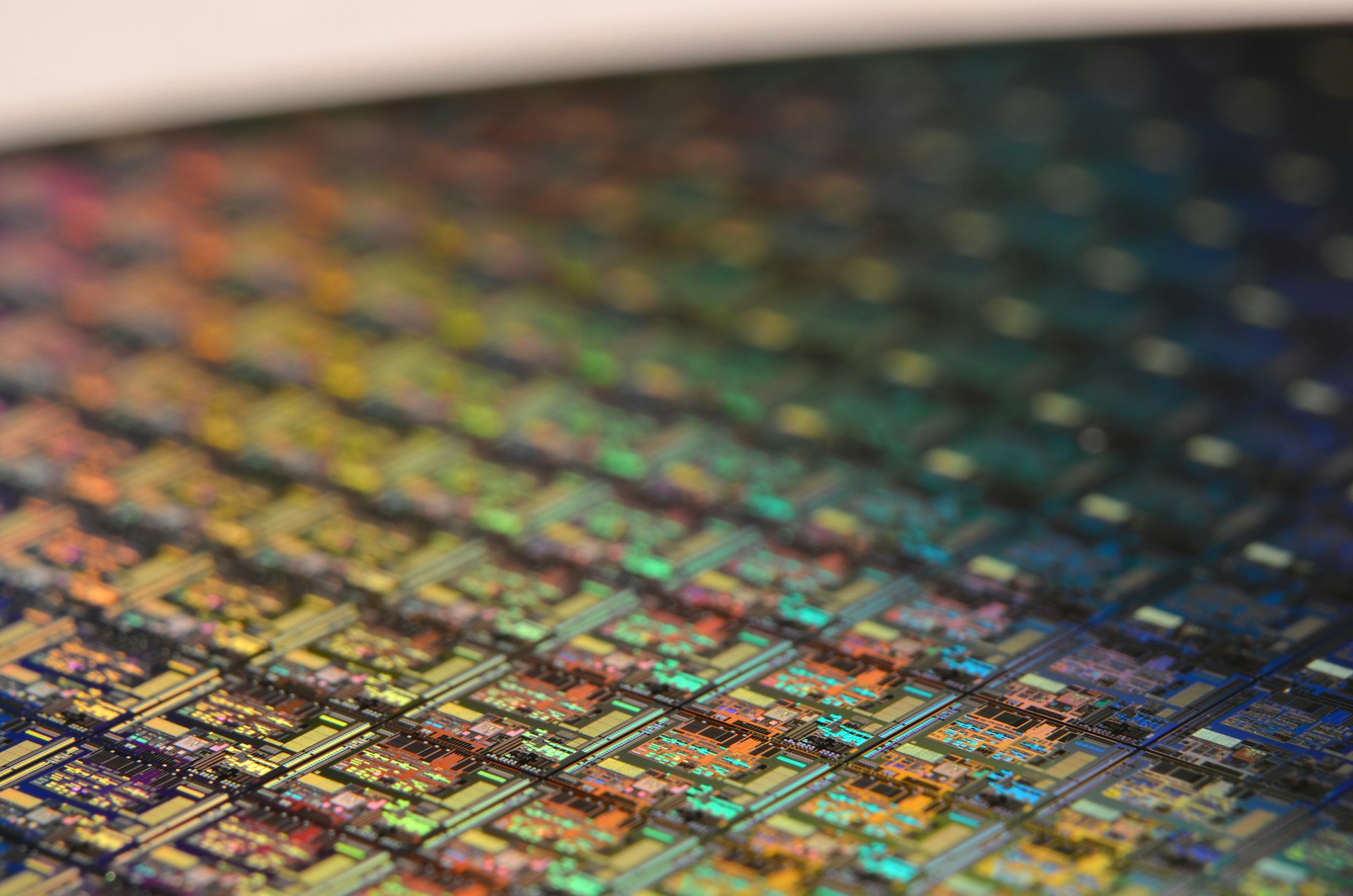
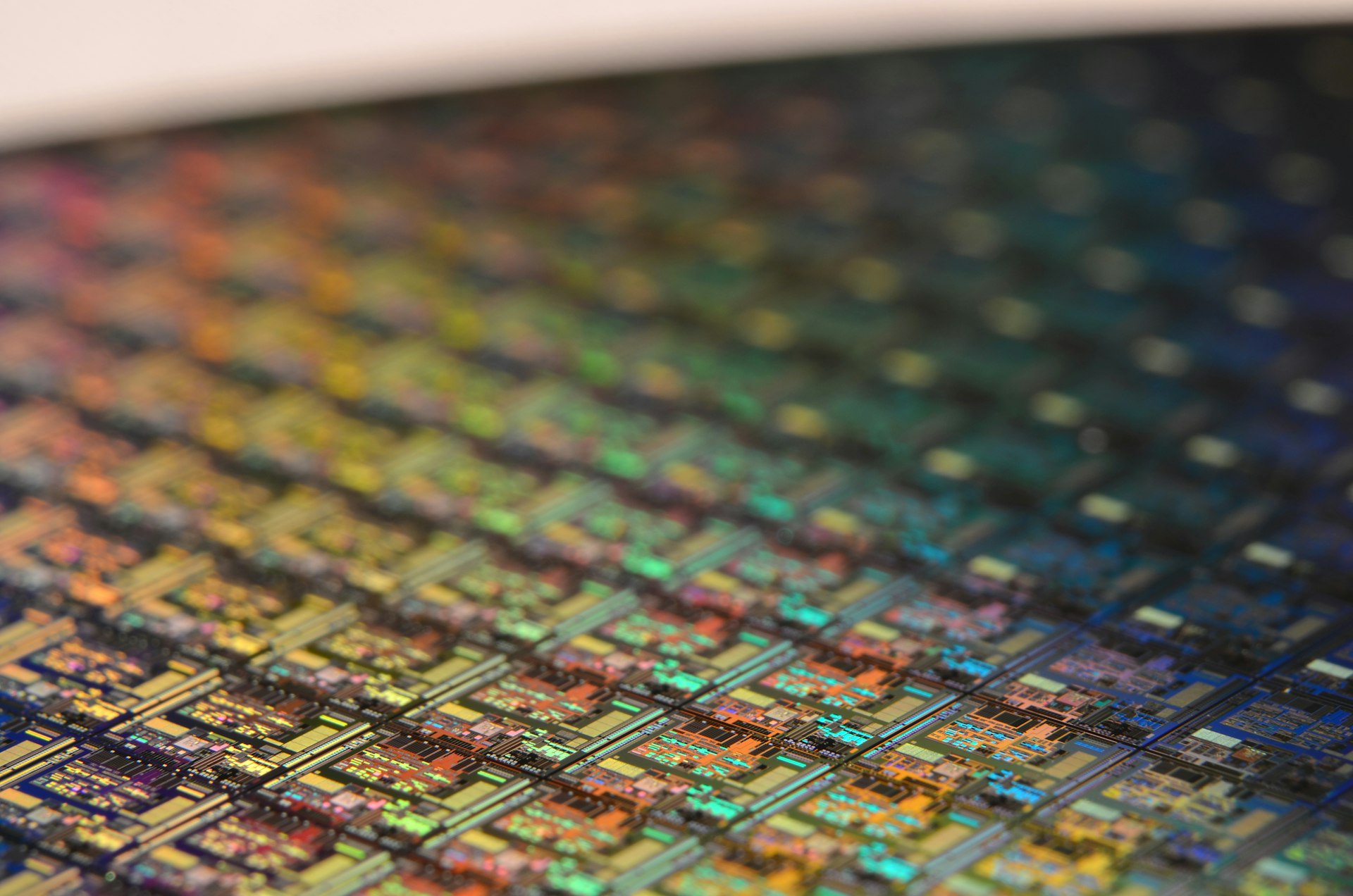
AI Build-out Fuels Memory Chip Demand: The unprecedented demand for memory chips, driven by the artificial intelligence infrastructure build-out, provided a sector-specific boost. Micron Technology, a leading US chipmaker, issued a sales forecast for the current quarter that exceeded analysts’ average estimates, benefiting from the surging appetite for AI chips. The company’s sales forecast for the fiscal first quarter is approximately $US61.5 billion, higher than the $US56.8 billion average estimate, with projected profit, excluding some items, at $US38.15 a share, compared to a projection of $US36.02. This demand has led to price increases for high-bandwidth memory chips and shortages for other products, with rivals Samsung Electronics and SK Hynix also benefiting handsomely from this trend.
Crude Oil Geopolitics: Oil prices showed mixed movements but remained sensitive to geopolitical developments and supply concerns. Reports indicate that US President Donald Trump has no intention of easing sanctions on Iran, raising concerns over exports from one of OPEC’s biggest producers, providing support to prices earlier in the day. While Middle East crude supplies have rebounded strongly, flows remain below pre-conflict levels, keeping the market undersupplied. OPEC+ is expected to leave November output quotas unchanged at its upcoming meeting this weekend.
Stocks to Watch
Micron Technology (MU): The memory chip giant closed unchanged at 1,065.11 but saw its stock rise in late trading after hours following a sales forecast for the current quarter that exceeded estimates, driven by demand from the AI build-out.
Samsung Electronics (005930.KS): Traded at 268,500.00, down 1.47%. Despite the daily dip, the South Korean conglomerate is benefiting handsomely from the surging appetite for artificial intelligence chips.
SK Hynix (000660.KS): Traded at 1,776,000.00, up 0.62%. Like Samsung, SK Hynix is a major beneficiary of the strong demand for AI chips.